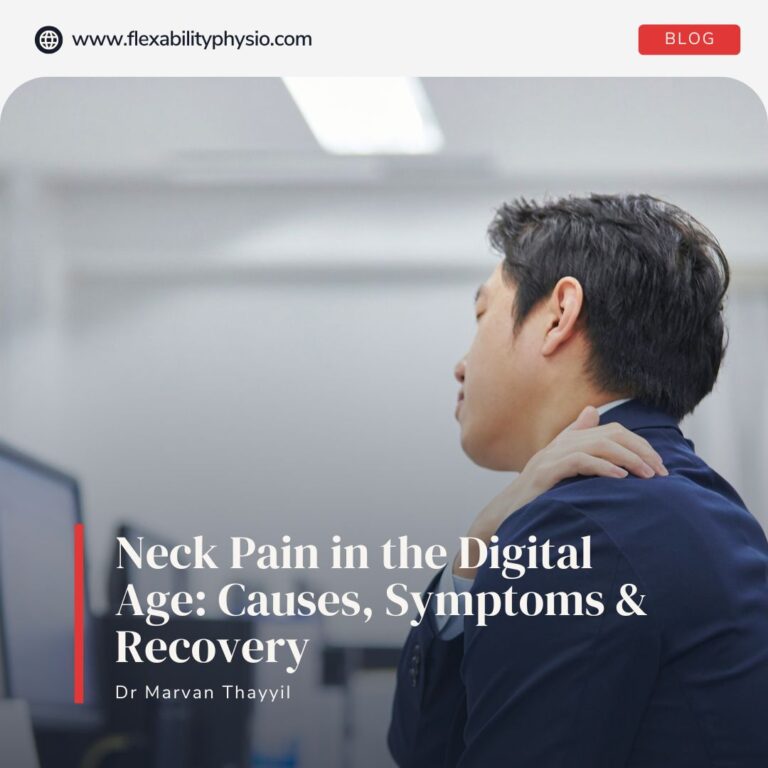
In today’s digital world, neck pain has become one of the most common health complaints among working professionals, students, and smartphone users. Long hours spent in front of laptops, poor posture, and continuous screen usage are placing excessive stress on the neck and upper spine, leading to a condition commonly known as “Tech Neck.”
What starts as mild stiffness or discomfort can gradually develop into chronic pain, headaches, reduced mobility, and even nerve-related symptoms if ignored. Understanding the causes, early signs, and treatment options can help prevent long-term complications and improve overall quality of life.
What Is Tech Neck?
Tech Neck refers to neck strain and posture-related pain caused by prolonged use of digital devices such as laptops, smartphones, tablets, and desktop computers.
The human head weighs approximately 4–5 kg in a neutral position. However, when the head bends forward while looking at a screen, the pressure on the cervical spine increases significantly. Over time, this repeated strain affects muscles, joints, ligaments, and spinal alignment.
Poor ergonomic habits combined with long working hours have made neck pain increasingly common among office workers and IT professionals.
Common Causes of Neck Pain in the Digital Age
1. Poor Posture
Slouching, rounded shoulders, and forward head posture place excessive stress on the neck and upper back muscles.
2. Prolonged Screen Time
Continuous laptop or smartphone usage without breaks causes muscle fatigue and stiffness.
3. Improper Workstation Setup
Incorrect screen height, lack of back support, and poorly positioned keyboards contribute to postural strain.
4. Lack of Movement
Sitting for long periods reduces mobility and weakens postural muscles.
5. Stress and Muscle Tension
Mental stress often increases muscle tightness around the neck and shoulders.
6. Sleeping Position
Using unsupportive pillows or sleeping in awkward positions can aggravate neck pain.
Symptoms of Tech Neck
Neck pain can develop gradually and worsen over time. Common symptoms include:
- Neck stiffness and tightness
- Pain while turning the head
- Headaches originating from the neck
- Shoulder and upper back pain
- Muscle spasms
- Tingling or numbness in the arms
- Reduced neck mobility
- Pain after prolonged laptop or mobile usage
Ignoring these symptoms may lead to chronic postural dysfunction and cervical spine issues.
Long-Term Effects of Untreated Neck Pain
When left untreated, persistent neck strain can lead to:
- Chronic cervical pain
- Disc-related problems
- Nerve compression
- Poor spinal alignment
- Reduced productivity
- Sleep disturbances
- Frequent headaches
- Shoulder dysfunction
Early intervention plays a crucial role in preventing long-term complications.
How Physiotherapy Helps Neck Pain Recovery
Physiotherapy is one of the most effective non-surgical treatments for neck pain and posture-related conditions.
At Flexability Physio, treatment plans are designed to address the root cause of pain rather than simply managing symptoms.
Physiotherapy Treatment May Include:
Postural Assessment
Identifying faulty movement patterns and ergonomic issues.
Manual Therapy
Hands-on techniques to reduce stiffness and improve joint mobility.
Dry Needling & Soft Tissue Release
Helps relieve muscle tension and trigger points.
Strengthening Exercises
Improves neck stability, posture, and muscle endurance.
Mobility Training
Restores flexibility and reduces stiffness.
Ergonomic Guidance
Recommendations for workstation setup and posture correction.
Personalized Rehabilitation
Customized recovery plans based on lifestyle and work habits.
Simple Tips to Prevent Tech Neck
You can significantly reduce neck strain by following healthy ergonomic habits:
- Keep screens at eye level
- Avoid bending the neck for prolonged periods
- Take movement breaks every 30–45 minutes
- Use supportive seating
- Perform regular stretching exercises
- Maintain proper sitting posture
- Limit excessive mobile usage
- Stay physically active
Small daily changes can prevent long-term spinal stress.
When Should You Visit a Physiotherapist?
Consult a physiotherapist if you experience:
- Persistent neck pain lasting more than a few days
- Frequent headaches
- Pain radiating into the shoulders or arms
- Tingling or numbness
- Difficulty turning the neck
- Pain affecting work or sleep
Early treatment improves recovery outcomes and helps prevent chronic issues.
Expert Neck Pain Rehabilitation in Bangalore
At Flexability Physio, we provide evidence-based physiotherapy and rehabilitation programs for neck pain, posture correction, sports injuries, and spinal conditions.
With clinics in Koramangala and Jayanagar, our team focuses on personalized treatment plans designed to restore mobility, reduce pain, and improve long-term function.
Whether your neck pain is caused by prolonged desk work, poor posture, sports injuries, or lifestyle habits, early physiotherapy intervention can help you recover safely and effectively.